
Blog library.
All the things nobody tells you about starting and running a small business in one place. Straightforward advice on the day to day stuff, from AI and GDPR to getting paid, managing customers and finding better ways to do things.

GDPR for UK Sole Traders: A Practical Guide to What You Need to Know
Most people switch off at the first mention of data protection and plenty of sole traders and small business owners assume it doesn't really apply to them anyway, so there's no point worrying about it. Unfortunately, that isn't the case - if you handle personal information as part of running your business that means you have data protection responsibilities, however small your business might be.
The good news is that GDPR doesn't have to be complicated or expensive. Once you understand the basics, there are some straightforward steps you can take to protect your customers, your business and your reputation.

Want a Greener Business? Start by Running a Tighter Ship
Running a greener business doesn't necessarily mean buying carbon offsets, installing solar panels or investing in expensive “eco” solutions. For many small businesses, one of the most practical places to start is simply running a tighter ship: fewer wasted journeys, less wasted energy, better use of materials and fewer resources going to waste.

The Boring But Essential Things You Should Know Before Starting a Business
I’ve started, run and sold two businesses. Now that I’ve started my third, In The Field AI, a question I get asked a lot is what is actually involved in starting a business. It’s a question that seems to completely stump a lot of people, and for a while I couldn’t understand why because I’ve always just figured it out as I’ve gone. But it’s got me thinking recently that just because I did it by muddling through, doesn’t mean anyone else has to.

How to Use AI Without Sounding Like AI
AI generated posts are everywhere lately. Whenever I look at my Facebook, LinkedIn or Instagram feeds I see the same generic style where every post sounds exactly the same as the one before and the one after. It’s not so much the words and phrases that are used (though ‘It’s not X, it’s Y’ is a classic tell), it’s that the voice, tone and rhythm are identical each time.
Three Ways AI Can Save Sole Traders Time On Admin
Nobody goes self-employed to spend their evenings doing admin, but it can become endless and all-encompassing and, really, the biggest pain in the behind. If your evenings are spent wrestling quotes, invoicing and chasing late payment, I totally feel your pain.
We’ve all been there. You take that leap of faith, start the business you’ve always wanted to start, and suddenly it’s going really well. So well in fact, that you’re flat out all day doing the thing that people pay for, and you don’t have time or energy to keep on top of the admin in the evenings, especially if you want anything that vaguely resembles family life.
Be Honest, Turn Up, Be Nice: Customer Service for Sole Traders
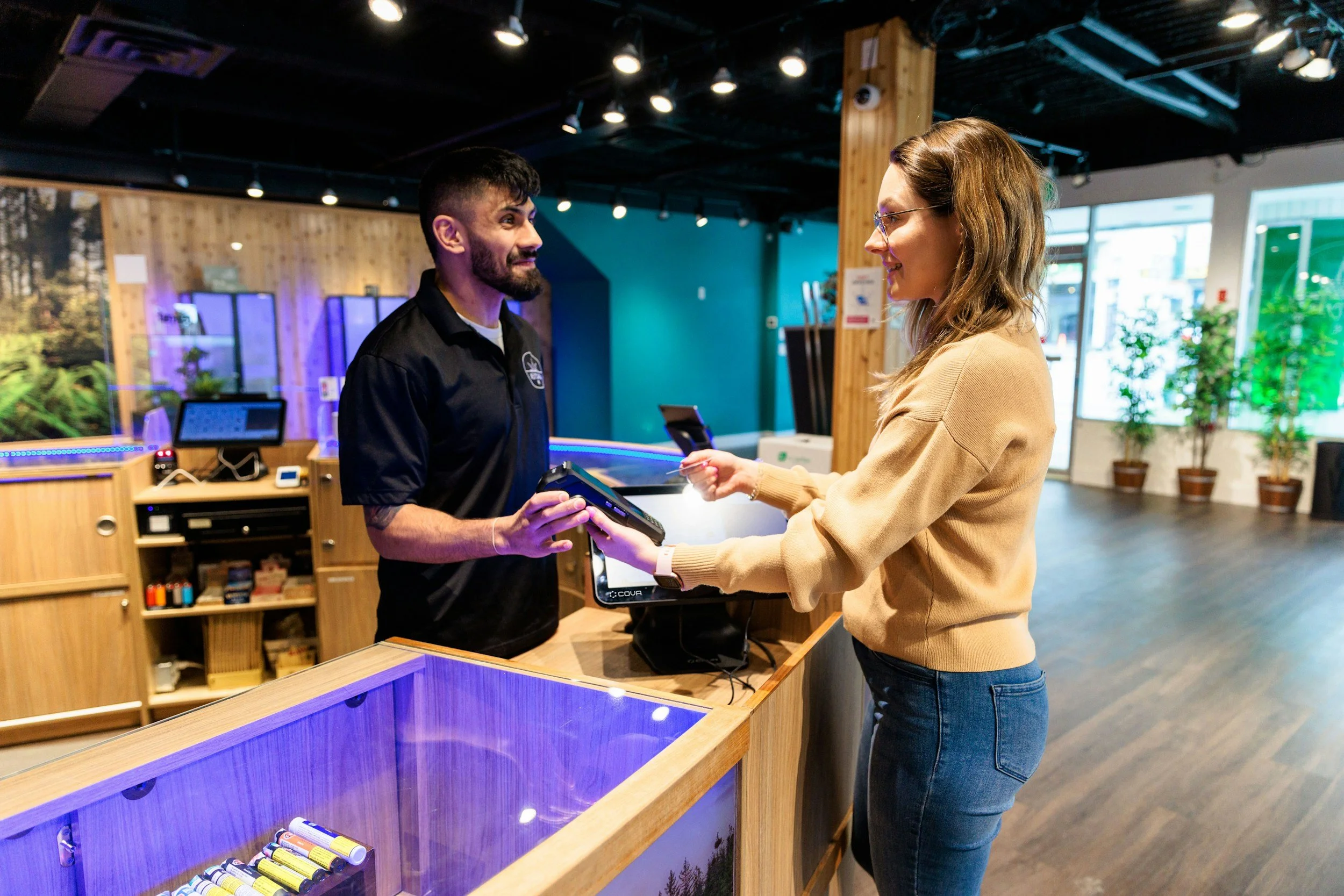
Customer service is really easy to get right, so why are so many sole traders and small businesses getting it so wrong?
I come from a hospitality background, and I learned early on that you can catch way more flies with honey than you can with vinegar. Starting a marquee hire business back in the late nineties taught me how to communicate well with clients and to manage their expectations, particularly with the bigger builds and budgets. The rug cleaning business, which I recently sold, taught me that being honest about my own mistakes can turn an unhappy customer into a loyal customer and being honest about turn-around time keeps everyone happy (myself included – setting an unachievable deadline is super stressful). In fact, in the last few years of running the rug cleaning business, I didn’t bother advertising at all, just relied on word of mouth, and I still got new clients every month.

How To Start A Business With Almost No Money…
There’s a bit of a myth about starting a business that seems to be trotted out with depressing regularity, and only seems effective at squashing a person’s dream of working for themselves. The myth is usually along the lines of this: it’s essential to write a ‘professional’ business plan that plots out your exact turnover for the first two years so you can get a big loan. The big loan enables you to buy everything brand, spanking new, and then hire an office with a secretary, find an accountant and buy a super slick website. In my opinion the myth isn’t realistic, and I’ve started more than one business with nothing more professional than a laptop and a deadline I’d set myself. I’ve never had a big start-up loan. I’ve certainly never written a business plan and my office is my kitchen table, mainly because the whole point of working for yourself is to spend time with your family. My first business hired marquees, my next business cleaned horse rugs. Neither was glamorous but both very effectively paid the bills and both eventually got sold on for a nice profit. None of that happened because I had money behind me, it happened because I started small and kept going.
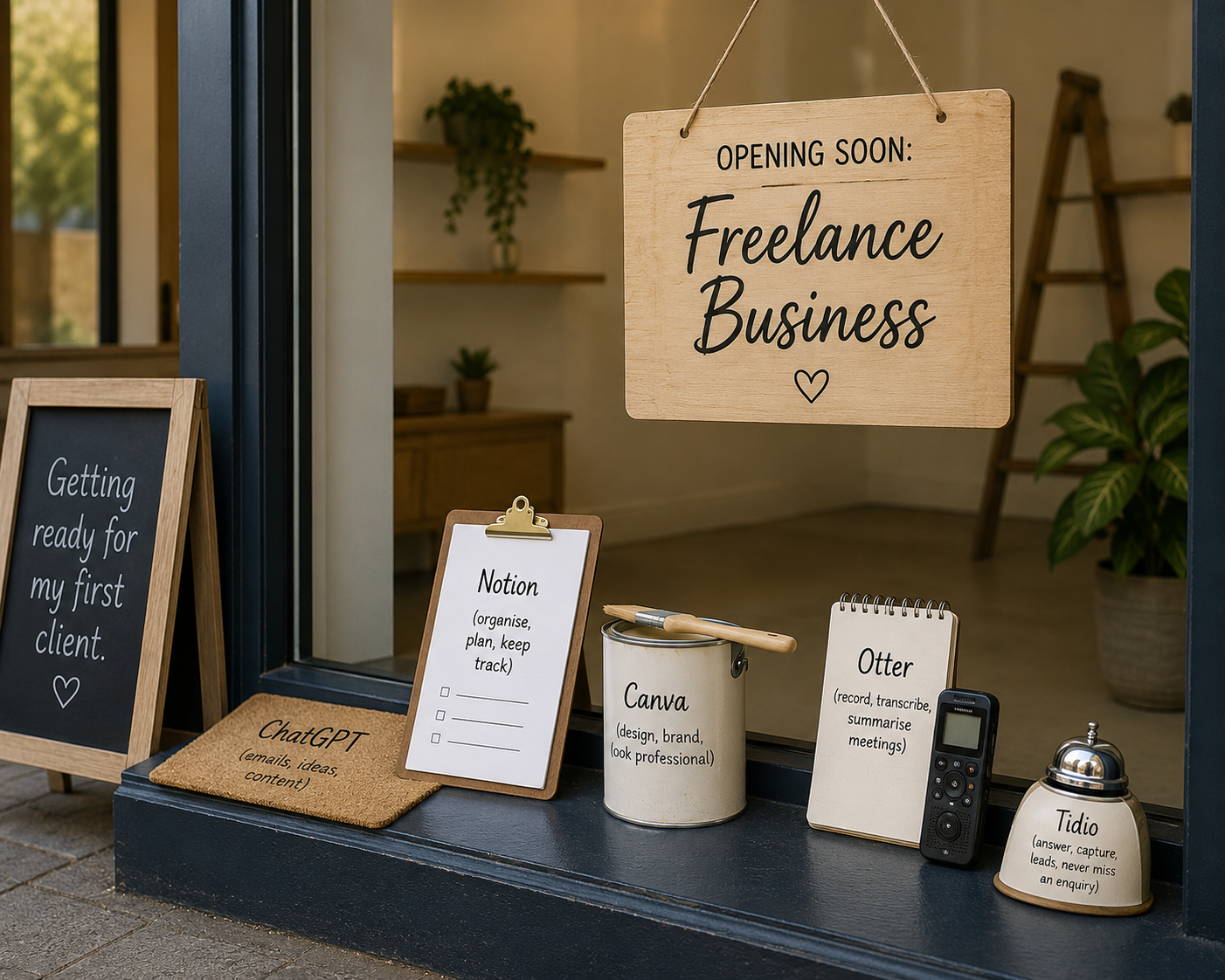
Five Free (or Cheap) AI Tools Every Freelancer Should Set Up Before Their First Client
Starting out as a freelancer is exciting, but it can also feel a bit like being thrown in the deep end. Suddenly you’re not just doing the work. You’re also the accountant, the marketing department, the customer service team and the admin assistant, all at the same time, usually in the evenings after a long day.

What Can You Actually Claim? A Plain English Guide to Business Expenses for Sole Traders.
Tax. Just the word is enough to make most of us reach for the cake tin or gin bottle and stare blankly at the wall. And when you’re self-employed or running a small business, the rules around what is and isn’t claimable as a business expense can feel overwhelming. But here is the good news: once you understand the basic logic of how HMRC thinks about expenses, the whole thing becomes a lot more straightforward.

Using AI in Your Business? Here’s What GDPR Actually Means for You.
Most sole traders assume GDPR and AI are problems for big businesses like M&S and Capita, and not for someone sending invoices from a kitchen table. But the moment you drop a client's details into an AI tool, you're operating inside the same legal framework as the largest brands in the world, just without their legal team to back you up. If something goes wrong and that information is stolen, you won't get a free pass just because you’re self employed. GDPR law is applied proportionately, but that could still mean a fine, and certainly a loss of reputation.
Five Tax Deadlines a Year? What Self-Employed People Need to Know About MTD.
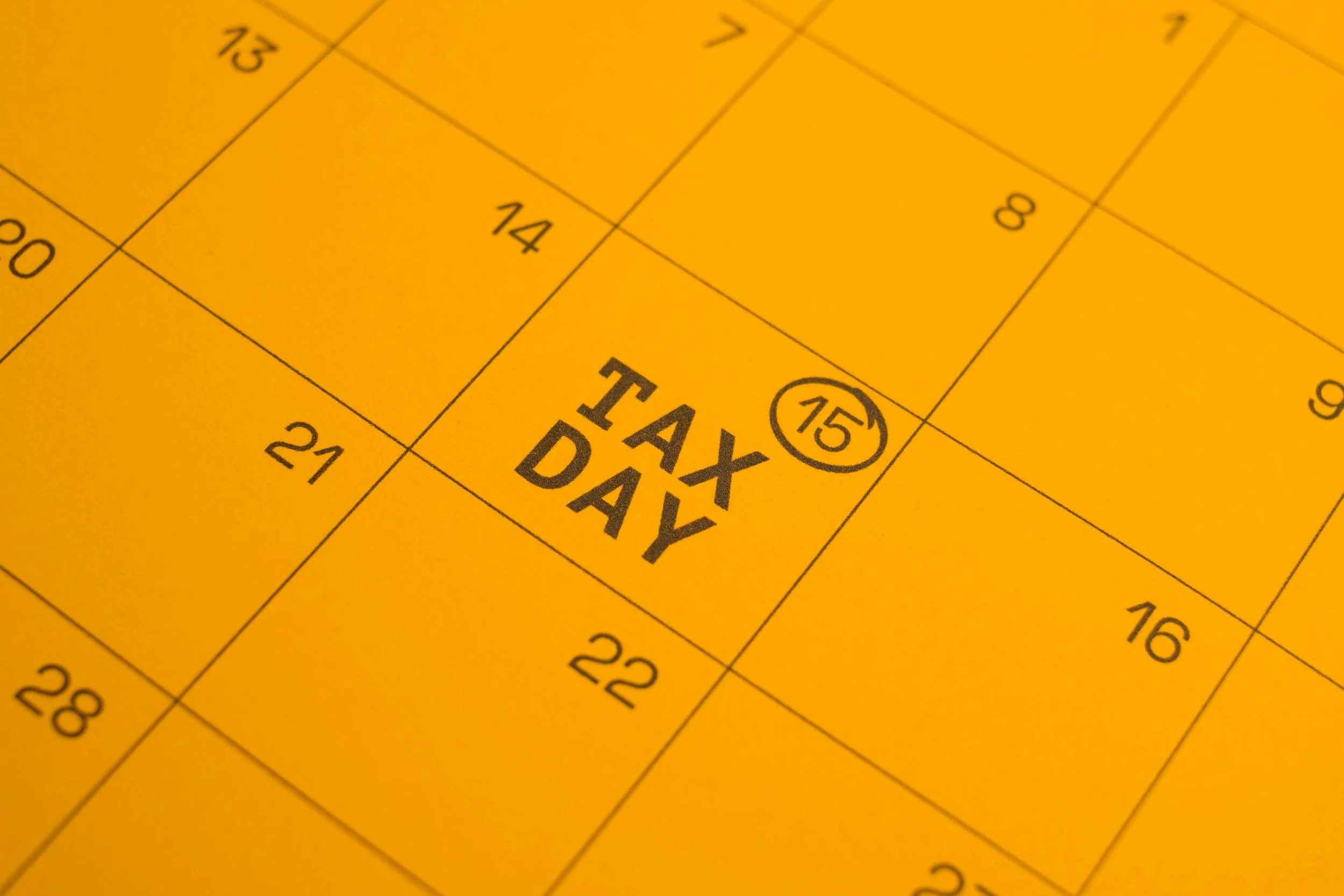
Making Tax Digital is nearly upon us. If you’re self-employed and/or you earn money from property, and you turned over £50,000 or more in financial year 2024 to 2025, you will need to start giving HMRC quarterly updates from 6th April 2026. These updates will be in addition to submitting your usual annual end of year tax return.

The Three Big 2026 AI Advances and What They Mean for UK Sole Traders.
Every day there seems to be another story on the news about AI. How it’s becoming more advanced, how it’s taking our jobs, how it’s changing the world. But when you’re in the sole trader trenches and your working day involves getting hands on with emulsion, engine oil or compost, the possibility of AI capabilities having any impact on how you paint a wall, service a car or pot up some seedlings seems very far away. And on the practicalities side, you’re not wrong. We’re a long, long way from robots capable of doing these tasks in any meaningfully cost-effective way. But AI having an overall impact on how we operate isn’t just in the near future, it’s here now.

AI’s Goldfish Memory (And How to Fix It).
We’ve all been there. I’m having a really productive and engaging conversation with my AI assistant of choice about a marketing idea. I’ve given it loads of context, asked it to put its social marketing experts hat on and we’ve talked through some scenarios, but then, mid-flow, it suffers some kind of memory loss and gives me a load of flannel that’s vaguely related but not really what I’ve asked about. Even worse, it’s also contradicted something it said two messages ago and now I’m not sure what’s fact and what’s hallucination. It’s frustrating and annoying, and it feels like a waste of my time, especially if I have to start again from the beginning. So why does it happen, and more importantly, how can we avoid it?

You’re the Boss, AI is the Assistant. Keep it that way!
AI is great. I’m continually astonished at how adept and intuitive it is, and I use it a lot (as you’d imagine considering my job). It’s a great assistant for brainstorming ideas, researching products, and giving me recipe suggestions. It’s also really good at spelling and grammar checks, drafting letters and emails and coming up with marketing suggestions. If you’re already using it this way to save time and effort, you’re ahead of the game, and if you’re not, you should definitely start. But, and there is always a but, while incorporating AI into your everyday working and personal life can have real benefits, there are some areas where AI really shouldn’t be in charge.

How To Fact Check Your AI, And Why It Matters.
More and more of us are using an AI model to check whether something we’ve read or heard is true. It’s easier and quicker to type a question into an AI prompt box and hit send than it is trawling through the multiple pages thrown up by a Google search. Not only does it take just a couple of seconds to get the answer, the AI models are also great at giving us information that is easy to understand and laid out in a quick to grasp way. So, what’s not to like?